Understanding “The Shaolin Temple”
Due to movies, music, martial arts culture, travel media, and other pop culture, many people looking for “the Shaolin Temple” are looking for one singular place.
A temple in China.
Masters.
Kung fu.
Ancient halls.
Discipline.
Mystery.
The source.
Whether they know the name or not, most Western visitors are usually imagining Songshan Shaolin Monastery in Dengfeng, Henan Province.
This is the famous Shaolin Temple most people have seen in documentaries, travel guides, martial arts media, and cultural references.
It is real.
It is historic.
It is important.
But what surprises many Westerners is that Songshan is not the only place connected to the name Shaolin.
Across China, there are several Shaolin-named or Shaolin-associated temples and temple sites, including places such as:
- Songshan Shaolin Temple / Shaolin Monastery in Dengfeng, Henan
- North Shaolin Temple at Panshan, Tianjin
- South Shaolin Temple in Putian, Fujian
- Quanzhou South Shaolin Temple in Fujian
- Fuqing Southern Shaolin Temple site in Fujian
Some of these places are active religious sites. Some are rebuilt temple sites. Some are cultural or historical locations. Some have debated histories. Some are visited regularly by Chinese travelers, pilgrims, martial artists, and people interested in Buddhist or cultural heritage. This is why the Western idea of “the Shaolin Temple” can be misleading. In China, people are not usually speaking about one vague fantasy place called “Shaolin Temple.” They are usually referring to a specific temple, location, mountain, region, lineage, school, or cultural context.
The Songshan Shaolin Monastery
The place most Western visitors are picturing is usually Songshan Shaolin Monastery, located in Dengfeng, Henan Province.
It is one of China’s most famous Buddhist monasteries and is widely associated with Chan Buddhism, Shaolin martial arts, the Pagoda Forest, Mount Song, and the cultural image of Shaolin kung fu.
The monastery has a long history, traditionally dated to the Northern Wei period, and it remains one of the most recognized symbols of Chinese martial and Buddhist culture.
If you want to visit the famous historic Shaolin site, this is most likely the place you mean.
You can visit it as a tourist, traveler, or pilgrim.
But visiting Songshan Shaolin Monastery is not the same thing as entering martial arts training.
Shaolin Temple as a Temple do not offer Kung Fu training for foreing students.
Temples Are Not Training Centers
This is one of the biggest misunderstandings for foreign visitors. Temples are religious places. They are places of Buddhist practice, ceremony, monastic rhythm, cultural preservation, and spiritual life. They are not commercial martial arts schools. They are not places where foreign visitors simply arrive, move in, and begin training kung fu inside the temple because they saw it in a movie. That does not mean Shaolin martial arts are not real. It means temple life and martial arts training are not the same thing. If you want to visit a temple, that is one kind of experience. If you want to train in martial arts, that is another.
Kung Fu Is Also a Large Business in China
Another thing many Westerners do not realize is that kung fu training is a large business in China. There are many martial arts schools, academies, training centers, performance schools, and cultural programs for both Chinese students and foreign visitors.
Some are serious. Some are performance-focused. Some are designed for tourism. Some are built around foreign expectations. Some use very impressive language online. And some foreign-facing training centers use descriptions that can make the experience sound more temple-based, master-led, official, or spiritually immersive than it really is.
This is why clarity matters. Cool Chinese architecture is not the same thing as a temple. A training center near a temple is not the same thing as training inside a monastery. A performance school is not the same thing as lineage-based martial arts training. A website saying “official” or “designated” does not automatically mean what a foreign visitor might think it means.
The Temple Does Not Certify Kung Fu Businesses
Shaolin temples are religious and monastic places. They are not commercial licensing bodies for kung fu businesses. The Songshan Shaolin Monastery does not exist to certify random martial arts training centers as “the only official Shaolin training center” for foreign students. So if you see a school claiming to be:
the only official Shaolin training center
designated by Shaolin Temple
certified by Shaolin Temple
the only place foreigners can train Shaolin kung fu
pause and look more carefully.
Ask
Who is the teacher?
Where did they train?
What lineage do they carry?
What is daily training?
Who teaches the students?
What is actually being certified?
Is this a temple, a school, a performance program, or a tourism package?
Real training is not proven by dramatic language.
It is proven through teacher, lineage, practice, discipline, correction, and transmission.
China Itself Is Part of the Experience
It is also important to say this clearly:You do not need to be inside a monastery for China to change you.Training in China is powerful because of the whole environment.
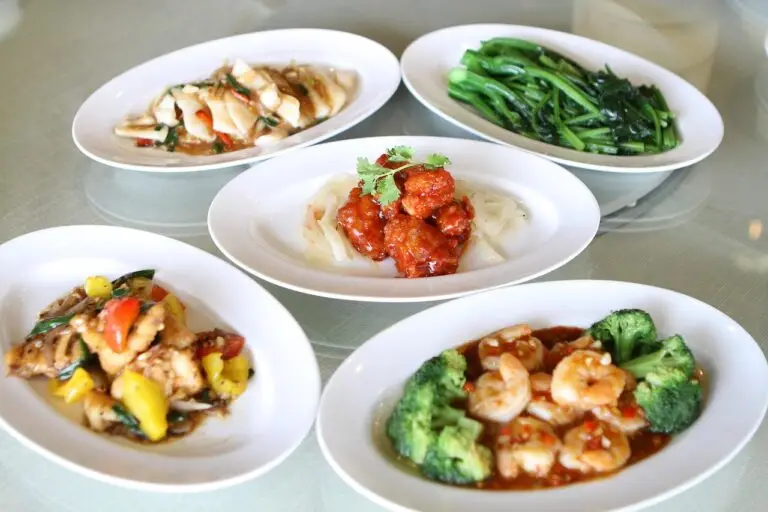

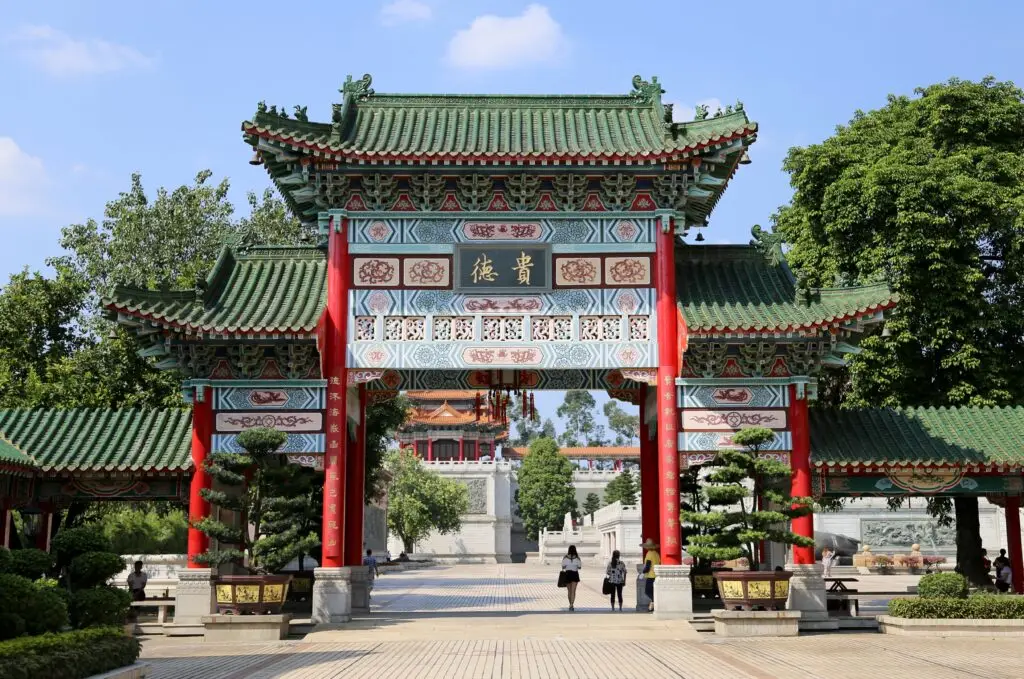

The mountains. The villages. The temples. The food. The language.
The rhythm of daily life. The old buildings. The morning practice. The unfamiliar sounds. The discipline of being somewhere different from your normal world. Being immersed in China, its nature, its culture, and its living traditions can be powerful all by itself.
A place does not have to pretend to be a monastery to offer a meaningful, serious, and transformative training experience.
Where Shaolintemple.com Fits
ShaolinTemple.com is an independent martial arts training center in Xingtai, China.
We are not the Songshan Shaolin Monastery in Dengfeng, and we are not operated by the monastery administration.
Our connection to Shaolin is through lineage and practice.
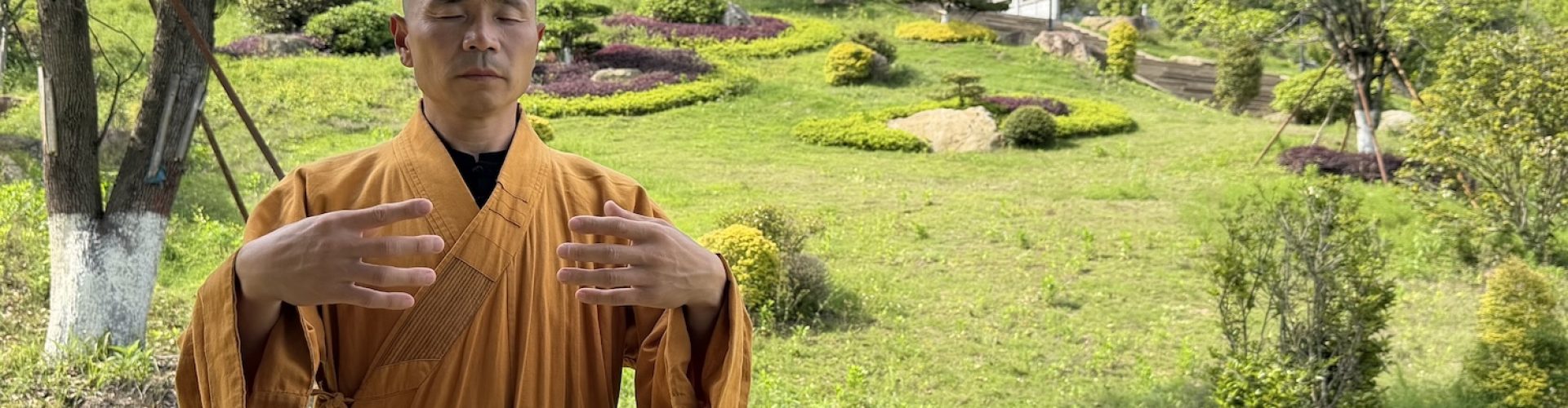
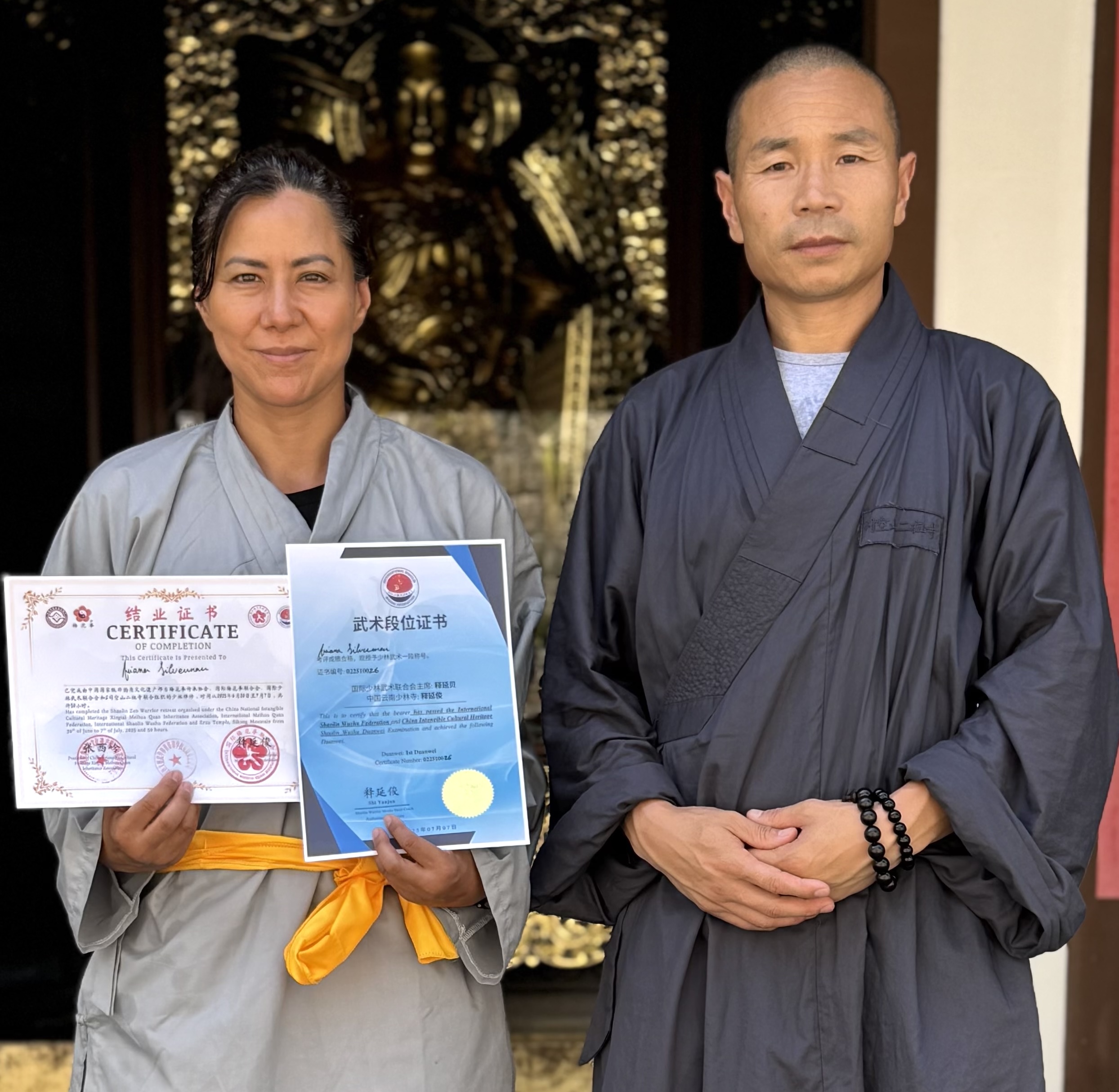
Our training is guided by the Songshan Shaolin Temple lineage of Shifu Shi Yanjun, a traditionally trained Shaolin master who received his training at the Shaolin Temple in Henan, China, and carries direct Shaolin martial arts lineage.
Alongside this Shaolin lineage, our school is connected with the China Intangible Cultural Heritage Xingtai Meihua Quan Inheritance Association, preserving and transmitting Meihua Quan as part of China’s living martial arts heritage.
This means you are not enrolling at the famous historic monastery.
You are entering a serious martial arts training environment rooted in Shaolin lineage, Meihua Quan heritage, Chinese culture, and daily practice.
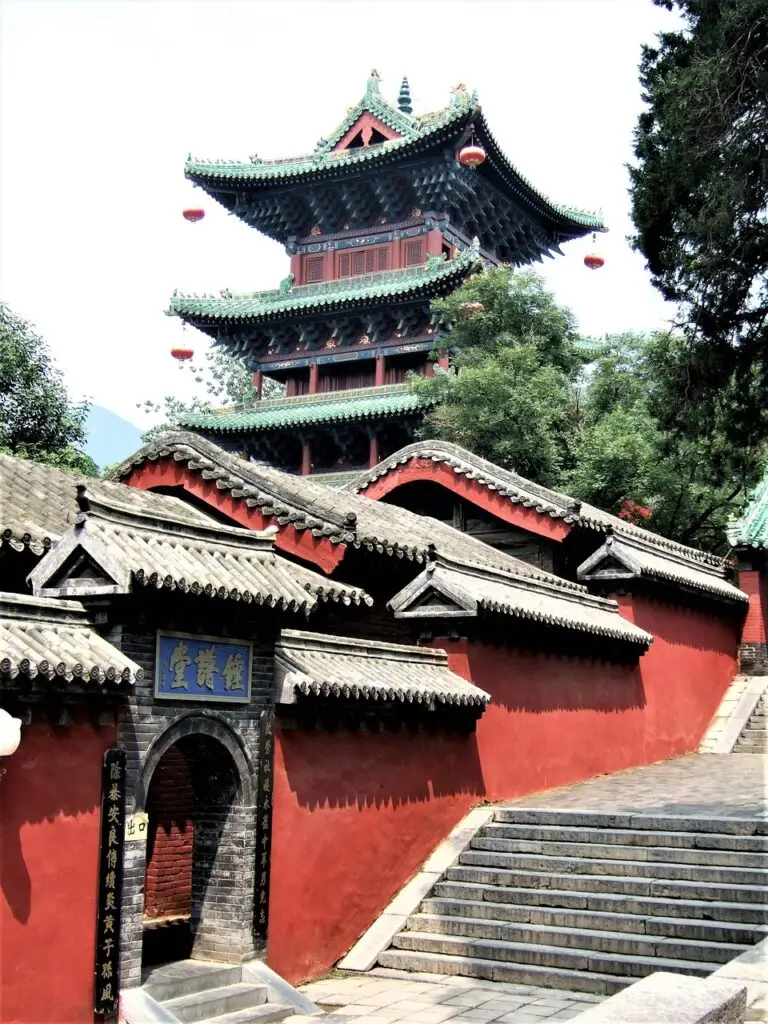
The Shaolin Temple
If you came here looking for “the Shaolin Temple,” you were probably looking for the famous Songshan Shaolin Monastery in Dengfeng. If you want to visit that historic site, you can.
If you want to train, understand that real martial arts training usually happens through qualified teachers, training centers, schools, and lineages, not inside the public visitor areas of a monastery.
If you want temple life, understand that temple life is religious and cultural. It is not the same as kung fu training.
And if you want serious Shaolin and Meihua Quan practice in China, that is what we are here for.
Not kung fu tourism. Living Kung Fu.