
Temple Blog
Anxiety and traditional chinese medicine
What is anxiety based on TCM?
Anxiety is a medical condition that causes persistent feelings of worry and uneasiness, often accompanied by physical symptoms such as heart palpitations, dizziness, and sweating. Everyone experiences temporary feelings of anxiety from time to time, which is a normal response to life’s challenges. Anxiety is a healthy and helpful emotion, technically known as “normal adaptive anxiety,” designed to keep us safe and alive. It plays a crucial role in the body’s built-in survival system by making us alert and ready to “fight or flight” when danger, whether real or perceived, is present.
However, when feelings of fear and distress become prolonged and ongoing, occurring for no apparent reason and affecting one’s ability to sleep, focus, and perform daily tasks, this is known as an anxiety disorder. Proper addressing and treatment are necessary to manage this condition.
Various types of anxiety disorders are listed in the Diagnostic and Statistical Manual of Mental Disorders, including Generalized Anxiety Disorder (GAD), Social Anxiety, Obsessive-Compulsive Disorder (OCD), Post post-traumatic stress Disorder (PTSD), Phobias, and others. They are all characterized by excessive nervousness and fear of future threats, accompanied by a range of physical and emotional symptoms that can be mild or severe. If anxiety is impacting your life and you feel like it’s out of control, then seeking help and finding solutions that work for you is essential.
Signs & Symptoms of Anxiety Disorder
- Easily irritated
- Unable to control excessive worrying
- Insomnia, either difficulty falling asleep or staying asleep
- Easily startled or scared
- Mind goes blank or unable to concentrate
Other physical symptoms
- Headaches and fatigue
- Muscle tension and aches
- Light-headedness and tingling in the extremities
- Difficulty swallowing
- Trembling or twitching
- Sweating and shaking
- Heart palpitations
- Nausea
- Feeling out of breath
- Increased frequency of urination or bowel movements
Traditional Chinese Medicine (TCM) View on Anxiety
Chinese Medicine recognises the interconnectedness between an individual’s mental, emotional and physical aspects and the close relationship between humans and their environment. External factors such as traumatic experiences or an abusive childhood can affect one’s Mind and body, potentially leading to chronic anxiety if left unaddressed.
Chinese Medicine is a natural and effective way to alleviate feelings of anxiety and related symptoms. The approach aims to alleviate anxiety symptoms and correct the physical imbalances at the root of anxiety through acupuncture, herbal remedies, and movement. These treatments stimulate calming neurotransmitters and strengthen the Zang-Fu organs that suffer during periods of stress. They regulate heart rate and blood pressure and facilitate the release of serotonin, endorphins, and noradrenaline. The ultimate goal is to enable the body and Mind to deal with external events and internal thoughts more efficiently and healthily.
Chronic anxiety can be caused by various syndromes, with one of the most common being “Empty Heat” – characterized by disruptive hot energy and a lack of cooling energy. This syndrome manifests in symptoms such as palpitations, night sweating, dry mouth, and rapid pulse. It is treated with cooling herbs and by promoting healthy, balanced circulation.
Traditional Chinese Medicine sees anxiety as an emotion highly related to the Heart
When anxiety persists for an extended period, it can lead to an energetic imbalance that harms the Heart, which is closely related to the Mind in Traditional Chinese Medicine. Mental illnesses and disorders can cause an imbalance in the Heart, either due to a direct imbalance or caused by imbalances in other organs that disrupt the Heart’s energy. Therefore, it is essential to identify the main organ responsible for the imbalance in the Heart if the imbalance is not directly caused by the Heart itself. It is done through a unique diagnostic method in Traditional Chinese Medicine called the differential diagnosis, which recognizes the pattern of disharmonies within the body and factors involved in the causation of the disorder. Once the root issue is identified, an effective and targeted treatment plan can be developed for the disorder.
Heart Yin or Blood Deficiency Pattern
When the Heart is directly imbalanced, it can present itself in various ways, such as heart palpitations, irritability, frustration, insomnia, hot flushes, dizziness, and dryness in the tongue. This pattern is often seen in individuals who have experienced long periods of intense anxiety or stress. Such stress and anxiety can wear out the Heart Yin, and Blood, leading to this pattern.
Kidney Yin Deficient Pattern
The Kidney and Heart have a close relationship in which the Kidney Yin holds down the Heart fire and nourishes the Heart Yin, thus maintaining the Heart’s stability and balance. However, when the Kidney Yin becomes weak, it is unable to hold the Heart Fire, which can result in anxiety disorder. Kidney Yin can become weak and deficient due to overindulgence in sexual activities, prolonged illnesses that weaken the body, and overworking of the brain. Other symptoms of Kidney Yin Deficiency include insomnia, disrupted sleep, lower back pain, knee weakness and soreness, hot flashes, and night sweating.
Heart Fire Excessive Pattern
When the Heart is imbalanced, it can result in a pattern which presents itself as heart palpitations, irritability, frustration, disrupted sleep, bitterness in taste, thirst, dryness in the mouth, yellow urination, constipation, ulcers in the mouth, overthinking, and worries. This pattern may occur due to short but extreme anxiety episodes, which were internalised and transformed into excessive fire within the Heart.
Lung Qi Deficient Pattern
The Lung is associated with the emotions of sadness and grief. When Lung Qi is deficient, it cannot nourish the Heart Qi and Yin, and this leads to anxiety disorder. Other accompanying symptoms of Lung Qi Deficiency include:
- Breathlessness or panting.
- Susceptibility to cold or flu.
- Frequent urination.
- Dry and sensitive skin.
Prolonged grief or lack of exercise can cause Lung Qi deficiency.
Spleen Qi Deficiency Pattern
The Spleen Qi deficiency pattern is typical among people who do not follow regular eating patterns, excessive worrying, often have cold foods and drinks in their diet or those who have just been through operations or birth, which can result in significant loss of Qi or energy and Blood and hurt the Spleen Qi. When Spleen Qi is hurt, it cannot nourish the Heart and hence results in Heart Yin Deficiency Pattern anxiety disorder. Also, when Spleen Qi is hurt, it increases the production of dampness in the body, which can result in fatigue, tiredness, heaviness, and weight gain. Other accompanying symptoms can be fatigue, indigestion, bloatedness, loss of appetite, paleness in the face, breathlessness, and fatigue.
Liver Qi Stagnation Pattern
The liver is responsible for the body’s overall circulation. If its energy or Qi becomes stagnant, it can block the nourishment of the Heart, leading to a deficiency of heart Yin or Blood. The liver is also closely linked to emotions; a person may feel more pent-up and frustrated if it becomes blocked. Liver Qi stagnation can also manifest as bloating in the stomach and discomfort on both sides of the ribs. Frequent sighing is also a common symptom of liver Qi stagnation.
Lifestyle Changes
Anxiety tends to thrive in an environment that is not conducive to good mental and physical health. It’s important to understand that lifestyle changes are just as crucial as the proper treatment when addressing this issue. Although developing new habits can take time, practising these habits consistently can help alleviate stress and reduce the symptoms of anxiety. Please remember the following tips to improve your mental and physical well-being:
- Maintain a healthy and varied diet that includes in-season and unprocessed food. Avoid consuming refined sugar and alcohol, which can cause sugar spikes and negatively affect your mood and mental health.
- Exercise regularly, but make it fun and unhurried. Take a walk, practice boxing or any external style of Kung Fu, or engage in any physical activity you enjoy. Try to incorporate physical activity into your daily routine.
- Aim to sleep before midnight to get adequate rest and improve your overall health.
- Spend more time in nature, preferably barefoot (only during summer or hot season and on natural materials such as grass, soil, and wood), especially during sunrise and sunset when the light is most therapeutic.
- Practice activities that help you stay grounded in the present moment.
- If you suffer from anxiety, it can be helpful to talk to someone about your feelings. Consider talking to a therapist or confiding in a trusted friend or family member.
What courses can help with Anxiety
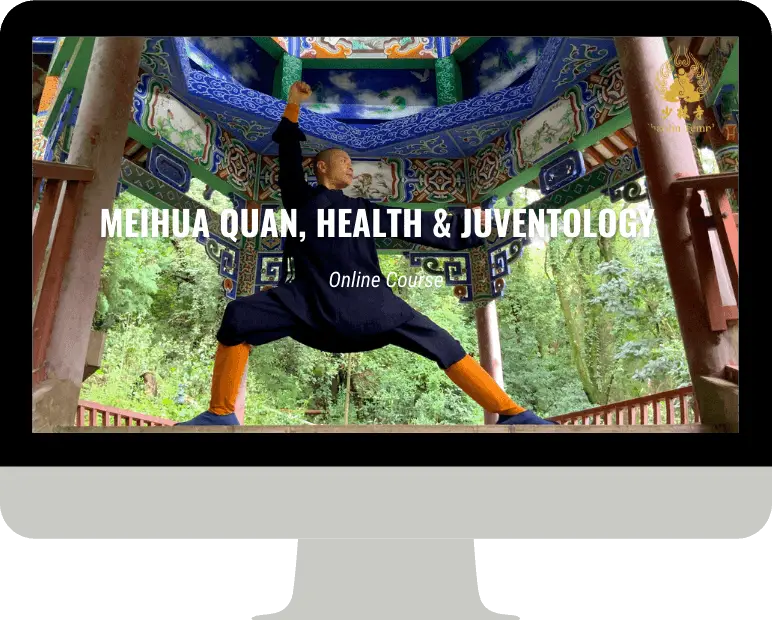
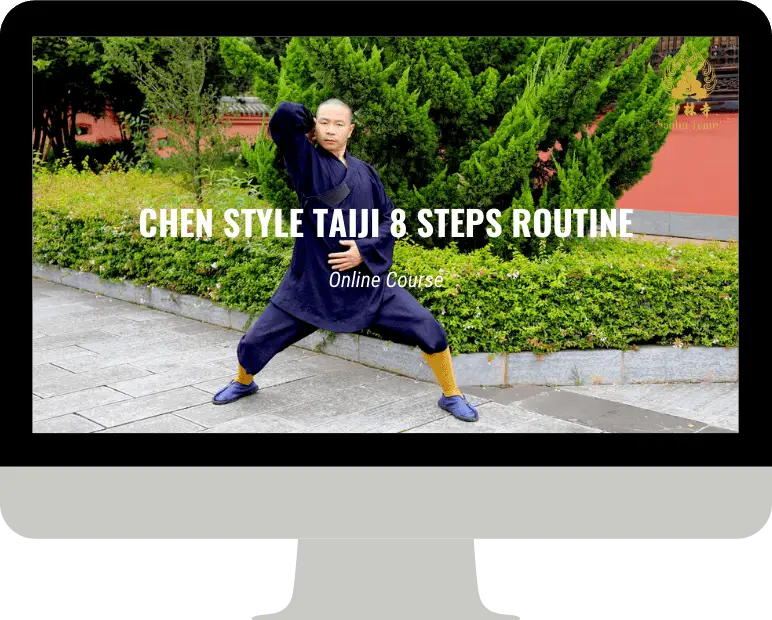
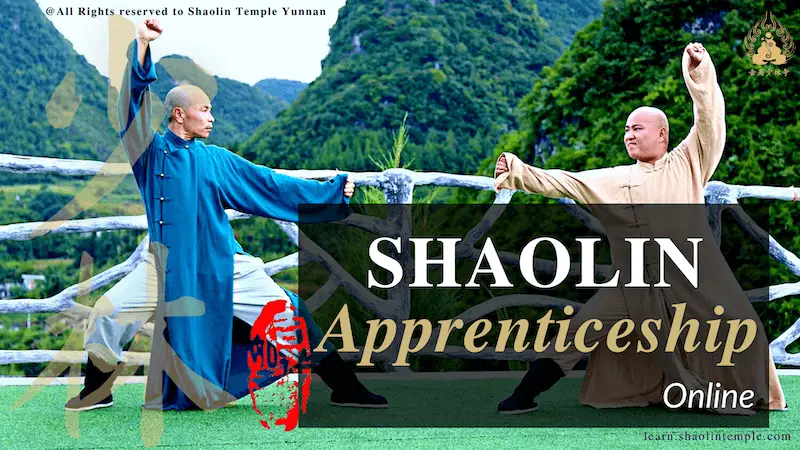
Shaolin Temple Shaolin Apprenticeship Online provides you with both Warrior and Wellness paths to ensure your Online Learning will make you a complete Martial Artist with excellent health.
DISCLAIMER: THIS WEBSITE DOES NOT PROVIDE MEDICAL ADVICE
The content provided on this website, including but not limited to text, graphics, images, and other material, is solely for informational purposes. None of the material on this site is intended to be a substitute for professional medical advice, diagnosis or treatment. It is always recommended to consult with your physician or other qualified healthcare provider before undertaking a new healthcare regimen or if you have any questions regarding a medical condition or treatment. Never disregard professional medical advice or delay seeking it because of something you have read on this website.