Why Injuries Happen During Training (and How to Prevent Them with TCM)
Being active doesn’t guarantee injury-free training. Pushing your body without proper understanding can increase your risk. Traditional Chinese Medicine (TCM) offers a unique injury prevention and treatment perspective, focusing on internal balance and energy flow.
The Liver-Gallbladder Connection to Tendons and Ligaments
In TCM’s Five Element framework, the Liver governs the tendons. Strong and flexible tendons are essential for speed, agility, and preventing injuries. Tendons connect muscles to bones, while ligaments connect bones. When the Liver-Gallbladder partnership is robust and optimal, tendons are nourished, making you less susceptible to strains, sprains, and other injuries.
Conversely, when the Liver’s energy (Qi) is stagnant or deficient, tendons become stiff and weak, increasing the risk of injury. Conditions like tendonitis (inflammation of the tendons) are often linked to Liver and Gallbladder dysfunction in TCM. This dysfunction can stem from various factors, including poor diet, stress, lack of sleep, and emotional imbalances like anger or frustration, directly affecting the Liver Qi.
The Quantum Framework: Qi & Blood Stagnation
From a TCM perspective, injuries like sprains disrupt the flow of Qi and Blood, leading to swelling, pain, and bruising (stagnation). Unlike standard Western medical practice, which often recommends icing to reduce swelling, TCM views cold as a potential impediment to healing.
Why TCM Avoids Cold
TCM considers cold a “pathogenic factor” that can constrict the flow of Qi and Blood. While icing might relieve temporary pain and reduce swelling, it can drive the cold deeper into the tissues, hindering the body’s natural healing processes. Over time, this can lead to chronic conditions like arthritis, where cold and stagnation become entrenched in the joints.
TCM's Approach: Warmth & Qi Activation
Instead of ice, TCM typically recommends applying warmth to injuries. Heat helps to dilate blood vessels, promoting circulation and dissipating stagnation. This increased blood flow nourishes the injured tissues, facilitating healing.
Warm Compresses
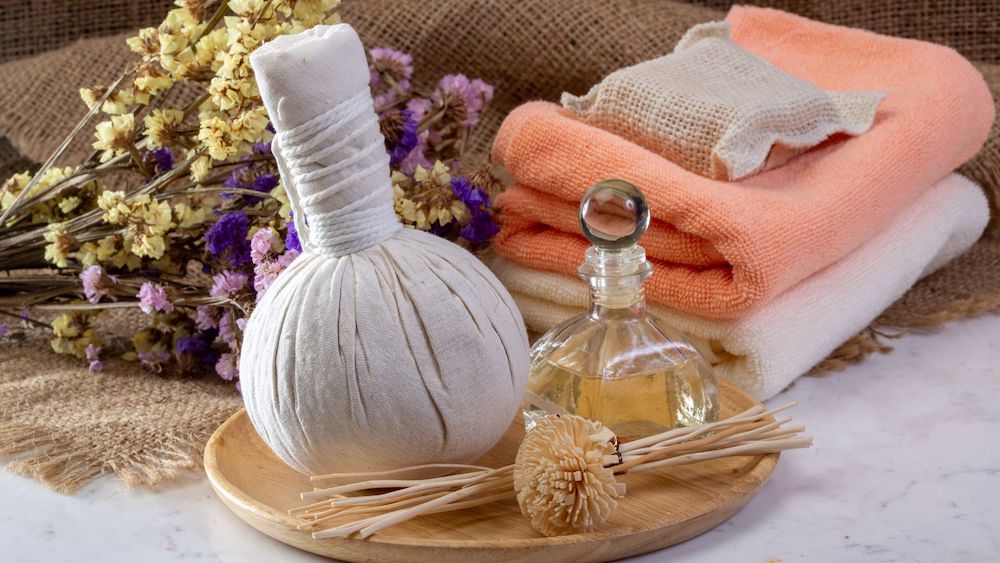
Apply warm, moist towels to the affected area for 15-20 minutes several times daily.
Moxibustion
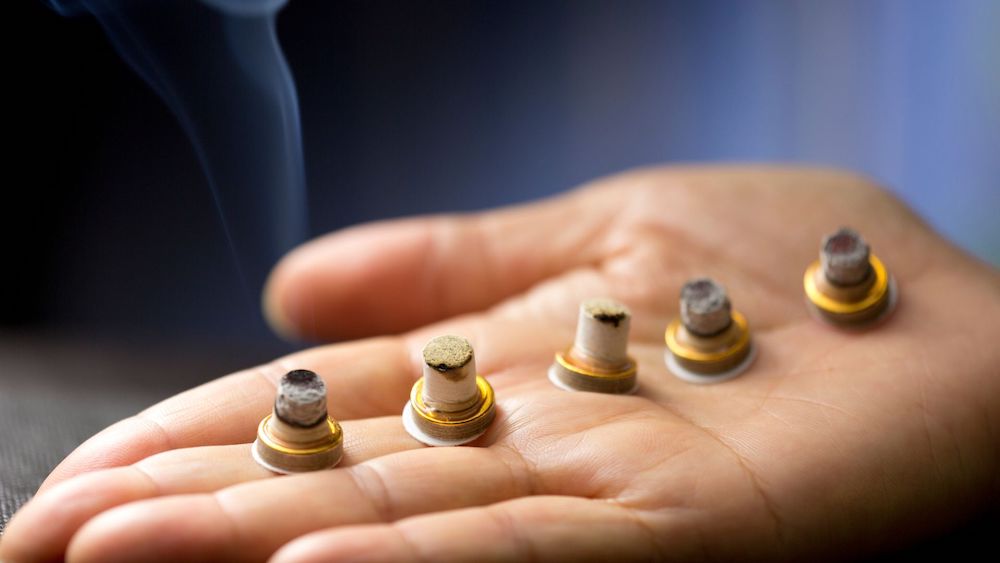
This technique involves burning a dried herb called mugwort near the skin to warm specific acupuncture points. A qualified TCM practitioner best performs it.
Liniments and Balms
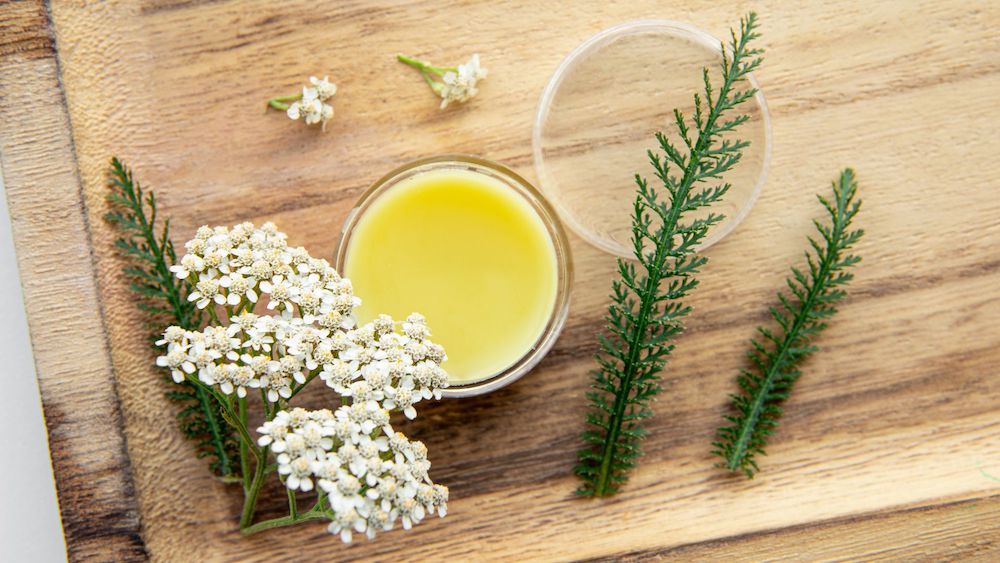
Certain herbal liniments and balms contain warming herbs like ginger, cinnamon, or camphor, which can help stimulate circulation and relieve pain.
Lifestyle & Dietary Recommendations
Hot Baths and Saunas
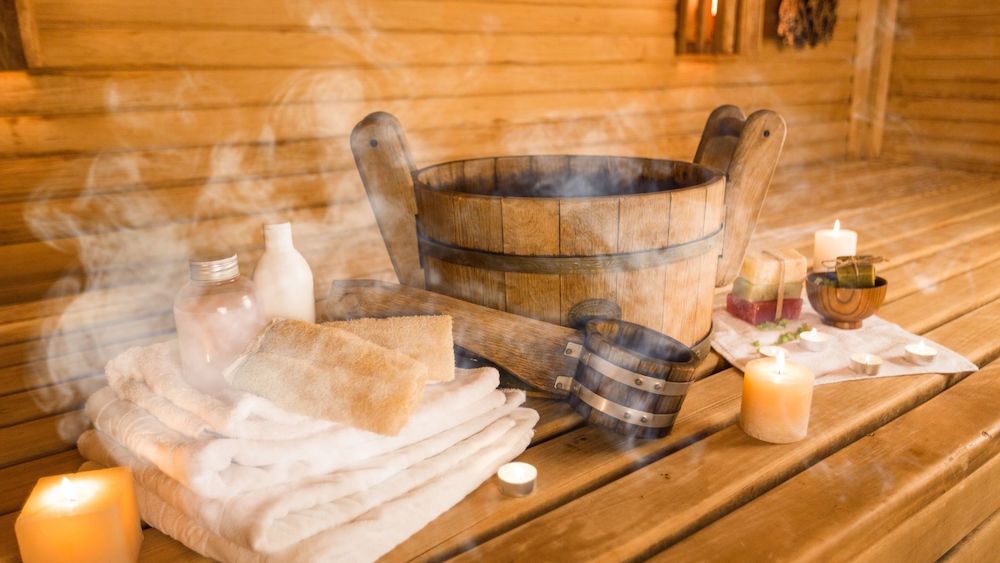
Soaking in a hot bath or using a moist sauna can help invigorate the bladder function, which supports the Liver in TCM. The sauna helps release internal dampness. However, avoiding excessive sweating and cold beverages afterwards is crucial, as these can weaken the body.
Ginger Tea
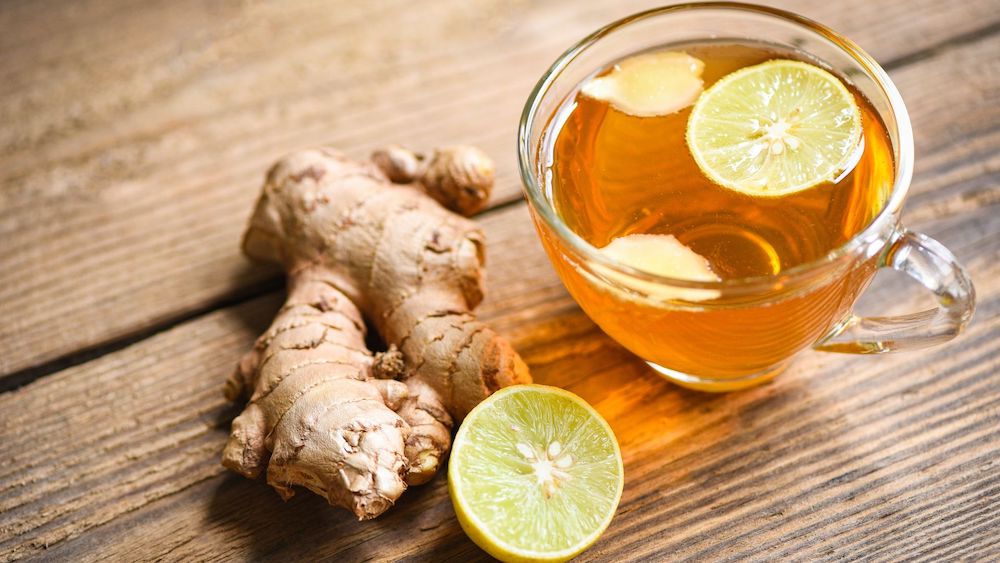
Ginger is a powerful warming herb that promotes the smooth flow of Liver Qi. Drinking several cups of fresh ginger tea daily can help to dispel internal dampness and improve circulation. Add brown sugar or honey for taste and additional warming properties.
Dietary Considerations
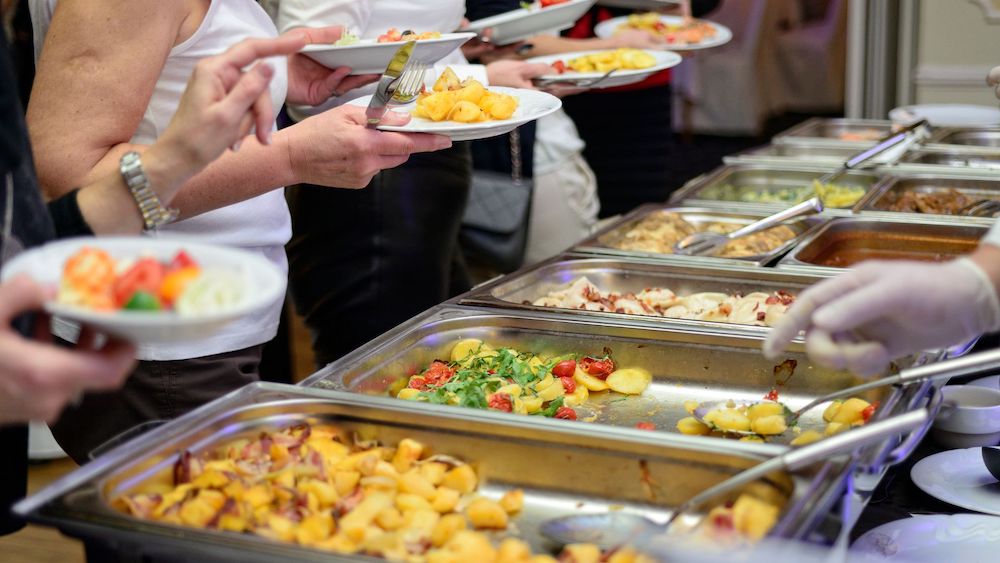
Avoid Cold Foods and Drinks: Avoid raw vegetables, salads, ice cream, and iced beverages, as these can weaken the digestive system and contribute to internal colds.
Eat Warming Foods: Incorporate warming foods like cooked grains, soups, stews, and root vegetables into your diet.
Support Liver Function: Consume foods that support Liver function, such as dark leafy greens, beets, carrots, and artichokes.
Herbal Therapy
A qualified TCM practitioner can prescribe customized herbal formulas to address the specific imbalances contributing to your injuries. These formulas may include herbs to:
- Invigorate Blood and Qi circulation
- Dispel cold and dampness
- Strengthen tendons and ligaments
- Nourish the Liver and Kidneys (which govern bones and joints in TCM)
The 100-Day Recovery Principle
TCM recognizes that deep healing takes time. The concept of a 100-day recovery period acknowledges the body’s natural regeneration cycle. It takes approximately three months for red blood cells to renew fully. Martial arts traditions have long understood this, emphasizing complete recovery from major injuries before resuming intense training.
The Water Analogy
Our bodies are largely composed of water. Just as cold temperatures can freeze water and impede its flow, cold can stagnate Qi and Blood in the body. Continually applying cold to injuries can lead to long-term health problems, such as arthritis, characterized by Qi stagnation and pain.
Long-Term Consequences of Ignoring TCM Principles
Older athletes with repeatedly iced injuries may develop arthritis or other chronic conditions that a TCM practitioner would diagnose as Qi stagnation. These conditions can significantly impact mobility, quality of life, and athletic performance.
The Importance of Internal Healing
TCM emphasises addressing the root cause of injuries from the inside out rather than merely masking symptoms with external treatments. By nourishing the Liver, promoting Qi and Blood circulation, and avoiding cold, you can create a foundation for lasting healing and injury prevention.
By adopting TCM principles, athletes and active individuals can enhance their performance, prevent injuries, and promote long-term health and well-being. Always consult with a qualified TCM practitioner for personalised diagnosis and treatment.